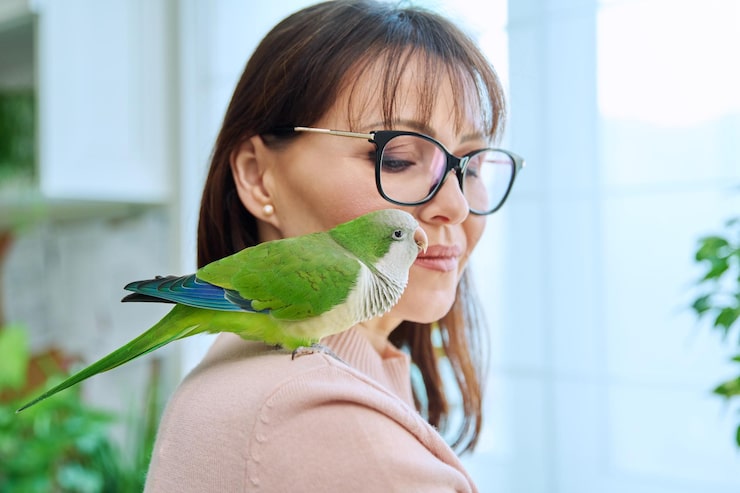
A comfortable cage setup plays a major role in keeping pet birds healthy, active, and stress-free. While many bird owners focus on food, toys, and cage size, the perch is one of the most important accessories inside the cage because birds spend most of their time standing, climbing, resting, and sleeping on it. The quality and design of the perch directly affect bird comfort, movement, and overall health. Good-quality Perches support natural movement, improve grip strength, and reduce pressure on bird feet, while poor-quality options may lead to discomfort and long-term health issues. Birds naturally move between branches in the wild, using different textures and sizes to exercise their feet and maintain balance, so recreating a similar environment inside the cage can improve bird wellness and encourage natural behavior. Whether you own parrots, pigeons, budgies, cockatiels, or poultry birds, selecting the right perch setup can make a noticeable difference in their daily life. Reliable online stores like Crown Pet Supplies provide affordable pet health products and cage accessories designed to support bird comfort and care.
Why Perches Are Important for Birds
Perches are much more than simple cage accessories because they support both physical and mental well-being in birds. A bird’s feet remain in constant contact with the perch, which means the surface texture, thickness, and material directly affect foot health. Birds standing on smooth or incorrectly sized perches for long periods may develop pressure sores, stiffness, or circulation problems that reduce comfort and mobility. Properly designed perches help birds maintain balance, strengthen foot muscles, and stay physically active throughout the day. Birds also use perches as resting areas during the day and safe sleeping spots at night, which helps reduce stress and creates a sense of security inside the cage. Different perch heights encourage birds to climb, jump, and explore their surroundings, keeping them mentally stimulated and physically fit. Active birds are generally healthier and less likely to develop boredom-related behaviors such as feather plucking, aggression, or excessive noise.
Different Types of Bird Perches
Bird owners can choose from several perch types depending on the bird species, cage size, and activity level. Natural wood perches are one of the best choices because they closely mimic tree branches found in nature. Their uneven surfaces provide better grip, natural foot exercise, and more comfort for birds, while many parrots also enjoy chewing on the wood to maintain healthy beaks. Rope perches are another popular option because they are soft, flexible, and suitable for birds that enjoy climbing and balancing. These perches can be shaped into different positions inside the cage, creating more opportunities for movement and play, although owners should inspect them regularly for loose fibers to ensure safety. Cement perches are useful for naturally trimming bird nails and are often used as grooming perches, but they should not be the only perch inside the cage because rough surfaces may irritate bird feet if used continuously. Plastic perches are affordable and easy to clean, but they provide very little exercise because their smooth surfaces do not offer the texture birds need for healthy foot movement.
Choosing the Correct Perch Size
Perch size is extremely important for bird comfort and foot health because a perch that is too small may make balancing difficult, while a perch that is too large can prevent birds from gripping properly. The ideal perch allows the bird’s toes to wrap around about two-thirds of the perch without overlapping completely. Small birds like canaries, finches, and budgies usually prefer thinner perches because they can grip them more comfortably, while medium-sized birds such as cockatiels and conures need slightly thicker perches with textured surfaces. Large parrots like macaws and African Greys require thick and durable perches that can support their body weight safely. Providing multiple perch sizes inside the cage is highly recommended because it creates natural foot exercise and prevents continuous pressure on the same foot areas throughout the day.
Safe Materials for Bird Perches
Birds naturally chew on cage accessories, so selecting safe perch materials is extremely important for long-term health. Untreated natural wood is considered one of the safest and most comfortable options because it is free from harmful chemicals and provides a texture birds enjoy. Sisal rope and bird-safe cement are also popular choices for quality cage setups because they are durable and bird-friendly. Bird owners should avoid painted or chemically treated wood because toxic coatings may cause serious health problems if swallowed. Stainless steel attachments are also recommended because they resist rust and remain durable for long-term use. Cleaning bird perches regularly is equally important because dirty surfaces can collect bacteria, moisture, and droppings that may lead to infections or unpleasant cage odors over time.
How Perches Support Natural Bird Behavior
Birds are intelligent animals that require daily mental and physical stimulation to remain healthy and active. Proper perch placement encourages birds to climb, stretch, jump, and explore different parts of the cage throughout the day. These activities strengthen muscles, improve coordination, and help prevent obesity in indoor birds that spend most of their lives inside cages. Many bird owners combine perches with swings, ladders, and toys to create a more engaging environment because birds living in enriched cages are usually more active, social, and relaxed. Along with maintaining a clean cage and balanced diet, many bird owners also use products like Hen Wormer to support poultry and bird wellness as part of a complete care routine.
Common Mistakes Bird Owners Should Avoid
One common mistake bird owners make is using only one type of perch throughout the cage because uniform surfaces do not provide enough variation for healthy foot exercise and may eventually lead to soreness or discomfort. Another mistake is placing perches directly above food or water bowls, which can contaminate them with droppings and reduce cage hygiene. Overcrowding the cage with too many accessories may also reduce movement space and make birds uncomfortable. Instead of filling every corner of the cage, owners should focus on creating open areas where birds can move freely while still having access to toys, food, and resting spots. Ignoring perch maintenance is another problem because damaged or dirty perches may become unsafe over time, so regular inspection and cleaning are necessary for bird safety and hygiene.
Tips for Creating the Perfect Cage Setup
An ideal bird cage setup should include a combination of natural wood, rope, and grooming perches placed at different heights throughout the cage. Birds should have easy access to food, water, toys, and resting areas without feeling restricted or overcrowded. Cage size should always match the bird species because active birds require enough room to stretch their wings and move comfortably. Placing the cage near natural light can improve bird mood and activity levels, although direct sunlight and cold drafts should always be avoided. Rotating toys and accessories occasionally also helps keep birds interested in their surroundings and prevents boredom.
Conclusion
Perches are an essential part of maintaining bird comfort, activity, and overall health because they support natural movement, strengthen foot muscles, and encourage healthy behavior inside the cage. The right combination of perch materials, sizes, and placement helps reduce stress while creating a safer and more comfortable environment for birds. Bird owners who invest in high-quality cage accessories can significantly improve their pets’ daily life and long-term wellness. Trusted stores like Crown Pet Supplies make it easier to find reliable bird care products, cage essentials, and affordable pet health supplies for birds and other animals.
FAQ
What type of perch is best for birds?
Natural wood perches are usually considered the best option because they provide texture, comfort, and natural foot exercise for birds.
How many perches should a bird cage have?
Most bird cages should include at least two or three different perches with varying sizes and textures to encourage movement and comfort.
How often should bird perches be cleaned?
Bird perches should generally be cleaned once a week or whenever they become dirty to maintain proper hygiene and support bird health.